
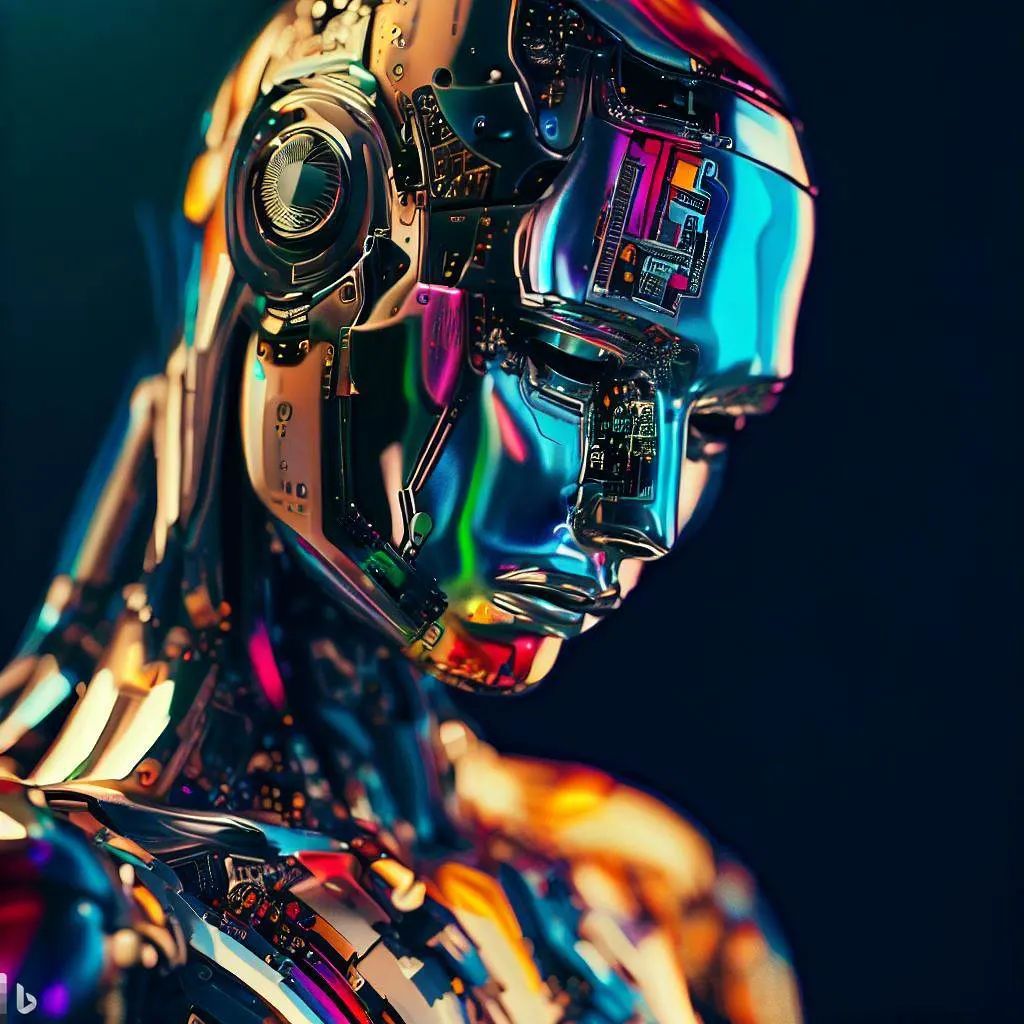
The world of technology is always in motion, and web designers and developers have to keep up to date in order to meet the demands of the market. One of the most exciting developments of recent years is artificial intelligence (AI), which has the potential to fundamentally change the way we build and design websites. In this article we take a look at the applications of AI in web design and development and at how they can revolutionise our working day.
Automated design
One of the most obvious applications of AI in web design is the automation of design processes. AI-based tools such as Wix ADI, The Grid or Firedrop allow designers to create attractive, functional websites in next to no time. These tools analyse the content and goals of a website and automatically produce a suitable layout that matches the user's needs. That saves time and effort and allows designers to concentrate on the more creative aspects of their work.
These tools analyse the content and goals of a website and automatically produce a suitable layout that matches the user's needs
Personalisation
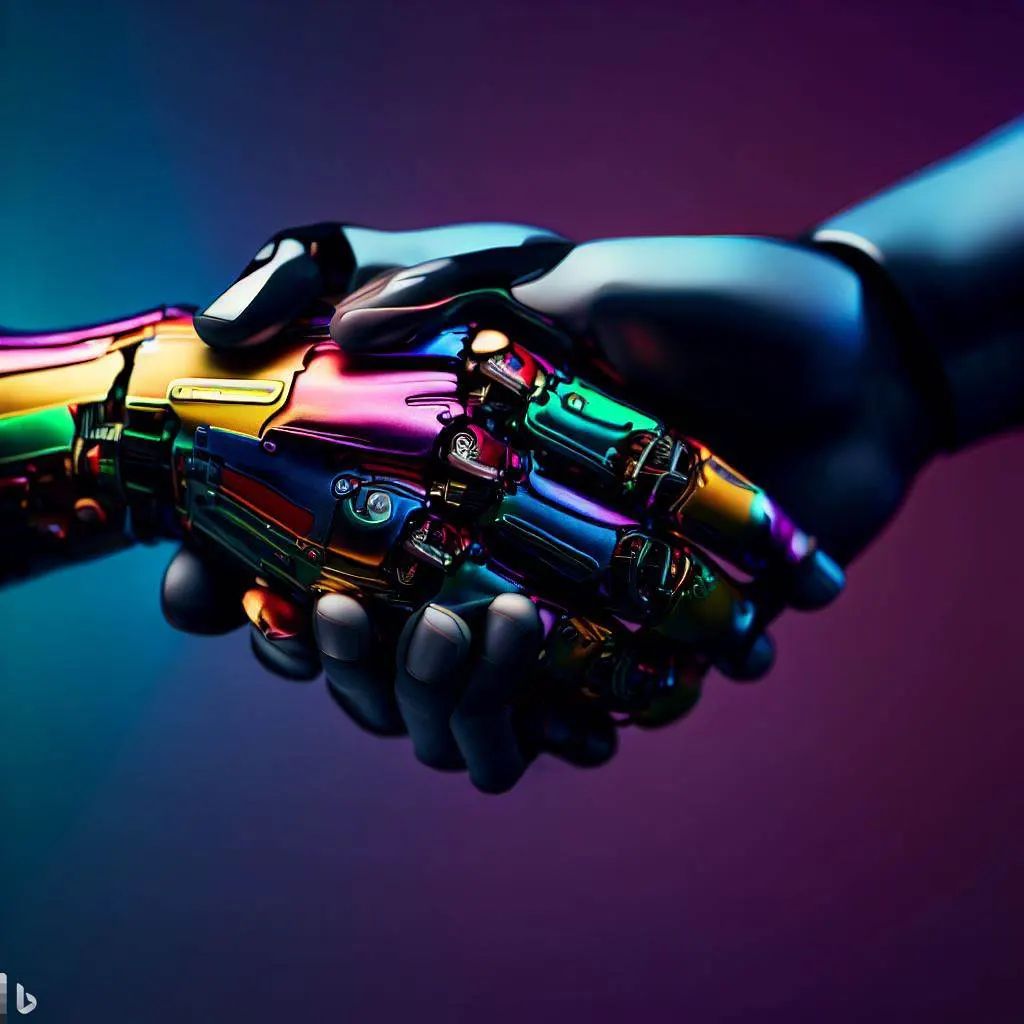
One of the main goals of web designers and developers is to create websites that are personally relevant and appealing for every user. AI can help here by analysing user behaviour and drawing conclusions from it about which content might be most interesting for them. In this way websites can be adapted and personalised automatically, so that they offer every user a unique and engaging experience.
Image and text recognition
AI also has the potential to revolutionise the way we work with images and text on websites. AI-supported tools such as Google Cloud Vision or Amazon Rekognition make it possible to analyse images automatically and extract relevant information such as objects, colours or patterns. This information can then be used to adapt the design of the website or to present users with content that specifically matches their interests.
There are exciting developments in text recognition too. AI tools such as OpenAI's GPT-3 are able to generate and understand human-like text. This can be used, for example, for automated chatbots that answer user enquiries intelligently and so take pressure off customer support.

Code optimisation and debugging
AI offers developers plenty of possible applications as well. AI systems can help to optimise a website's code, for instance, and to detect and fix errors automatically. AI-supported tools such as DeepCode or Codota analyse a website's code and make recommendations for improvements that can lead to better performance and greater security.
AI systems can help to optimise a website's code, for instance, and to detect and fix errors automatically.
Conclusion:
Applying artificial intelligence in web design and development offers numerous advantages and has the potential to change the way we work from the ground up. Through the automation of design processes, the personalisation of websites, image and text recognition as well as code optimisation and debugging, designers and developers can work more efficiently and achieve better results.
It is time to get to grips with the possibilities AI offers and to integrate them into our daily work.
ELECOS Team
Writes at ELECOS about websites, data protection and productive working.